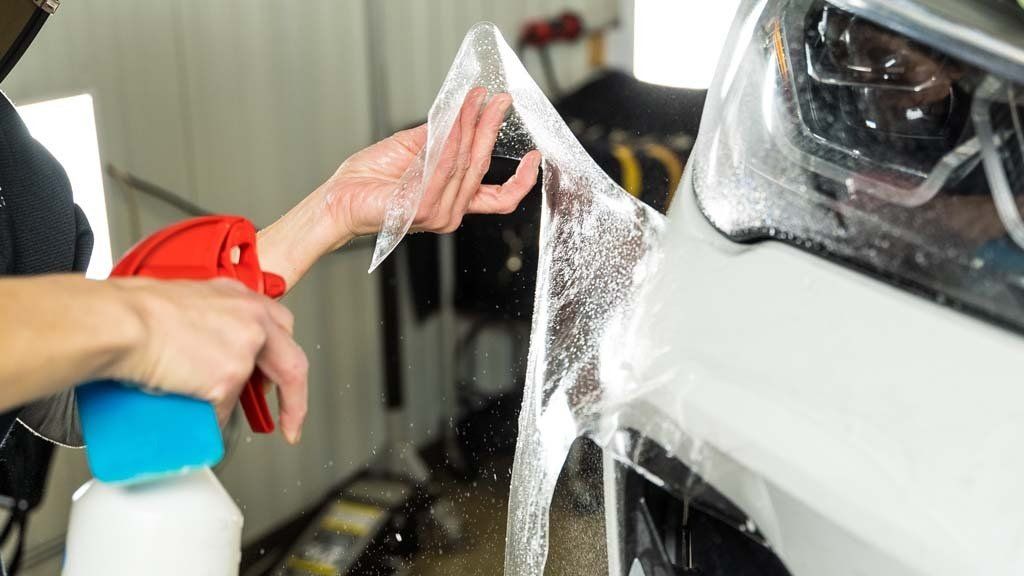
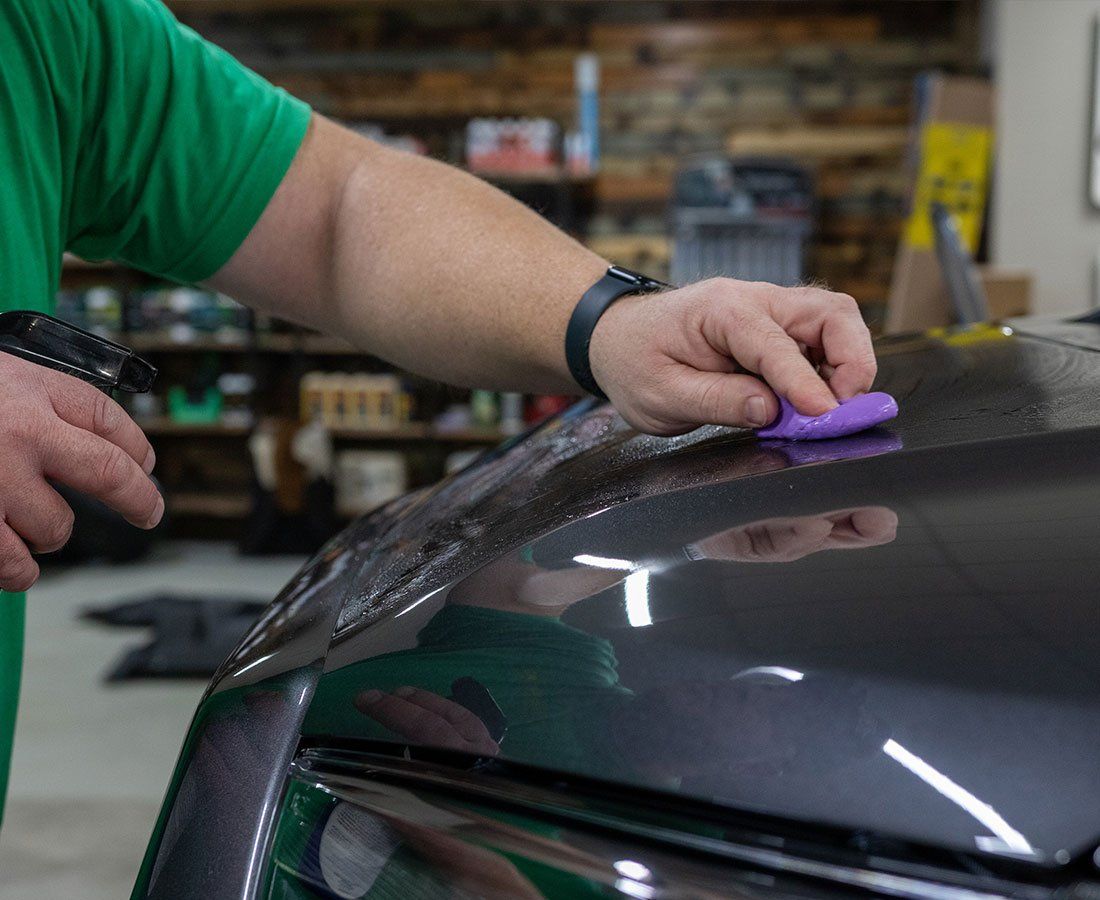
PPF or ceramic coating depends on what you need the car protected from. For Tampa Bay road debris, choose paint protection film; for gloss and easier washing, choose a ceramic coating. A coating cannot stop a rock chip. For a daily driver on I-275 or US-19, we recommend film on the high-impact panels and a coating over the whole car. Florida sun and coastal salt residue give both products a job. The right choice depends on what you want to protect against, not which quote uses the word “protection” more often.
Film and a ceramic coating do two different jobs
Paint protection film, or PPF, is a transparent urethane barrier applied over paint. A ceramic coating is a liquid polymer that bonds to the surface and cures. Film helps absorb physical impacts; a coating adds gloss and water beading.
| What you want | Paint protection film | Ceramic coating |
|---|---|---|
| Rock chip protection | Helps absorb impacts | Does not stop chips |
| Self healing light swirls | Available with a self healing topcoat | Does not self heal |
| Gloss | Depends on the film finish | Adds gloss |
| UV resistance | Helps protect covered panels | Adds UV resistance to treated surfaces |
| Water beading and easier washing | Depends on the film’s surface treatment | A principal benefit |
| Bird droppings and sap | Provides a barrier over the paint | Adds resistance to chemical staining |
Neither product makes paint damage-proof. A coating is a gloss and wash upgrade, not impact protection, and you should not buy it expecting otherwise.
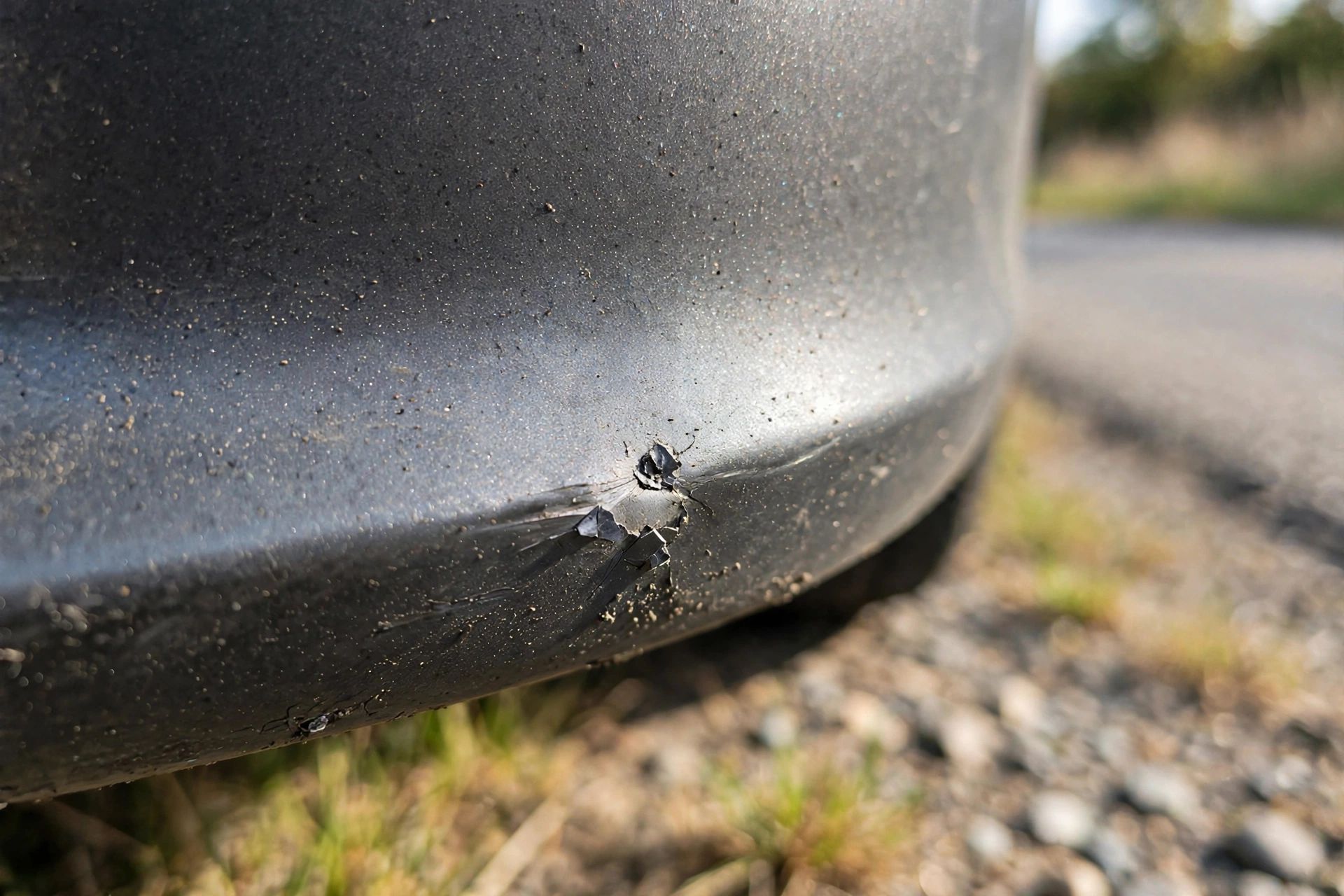
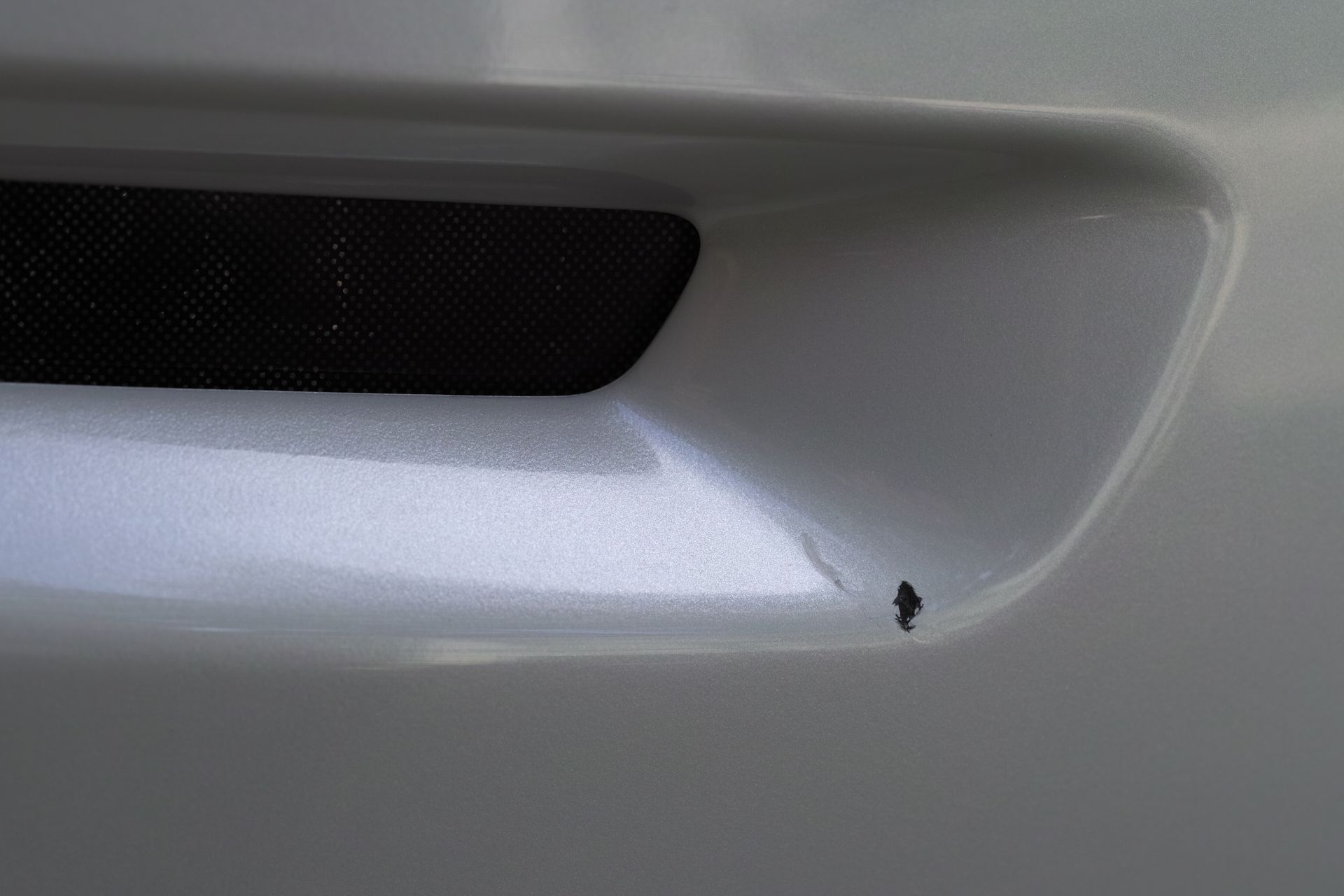
What a rock chip does to a clear coat
Which panels usually get film first?
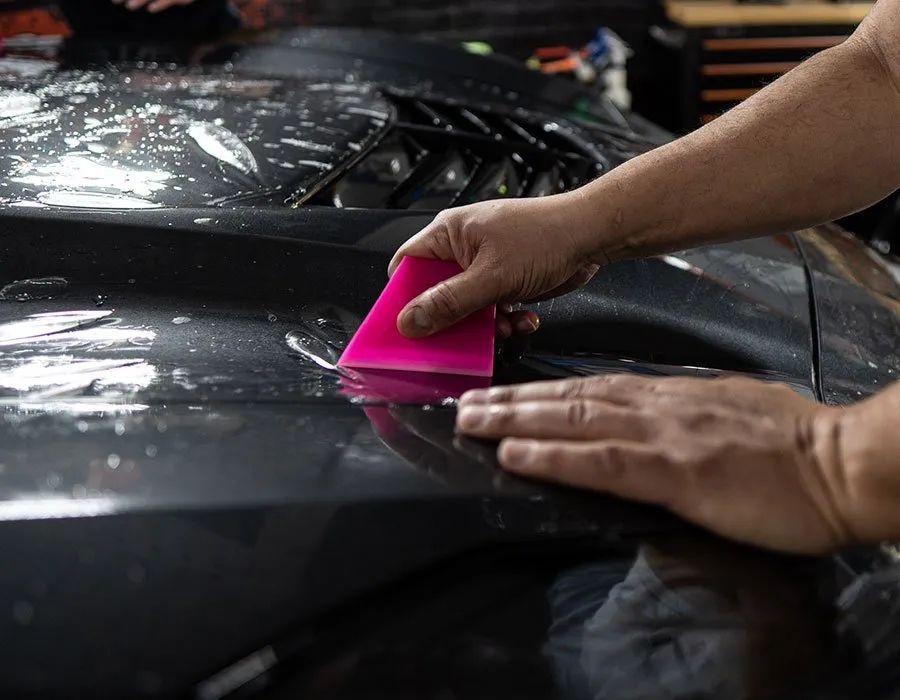
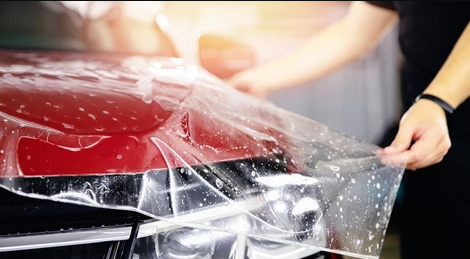
- The front bumper and leading edge of the hood
- The lower front fenders
- The mirror caps
- The headlight edges
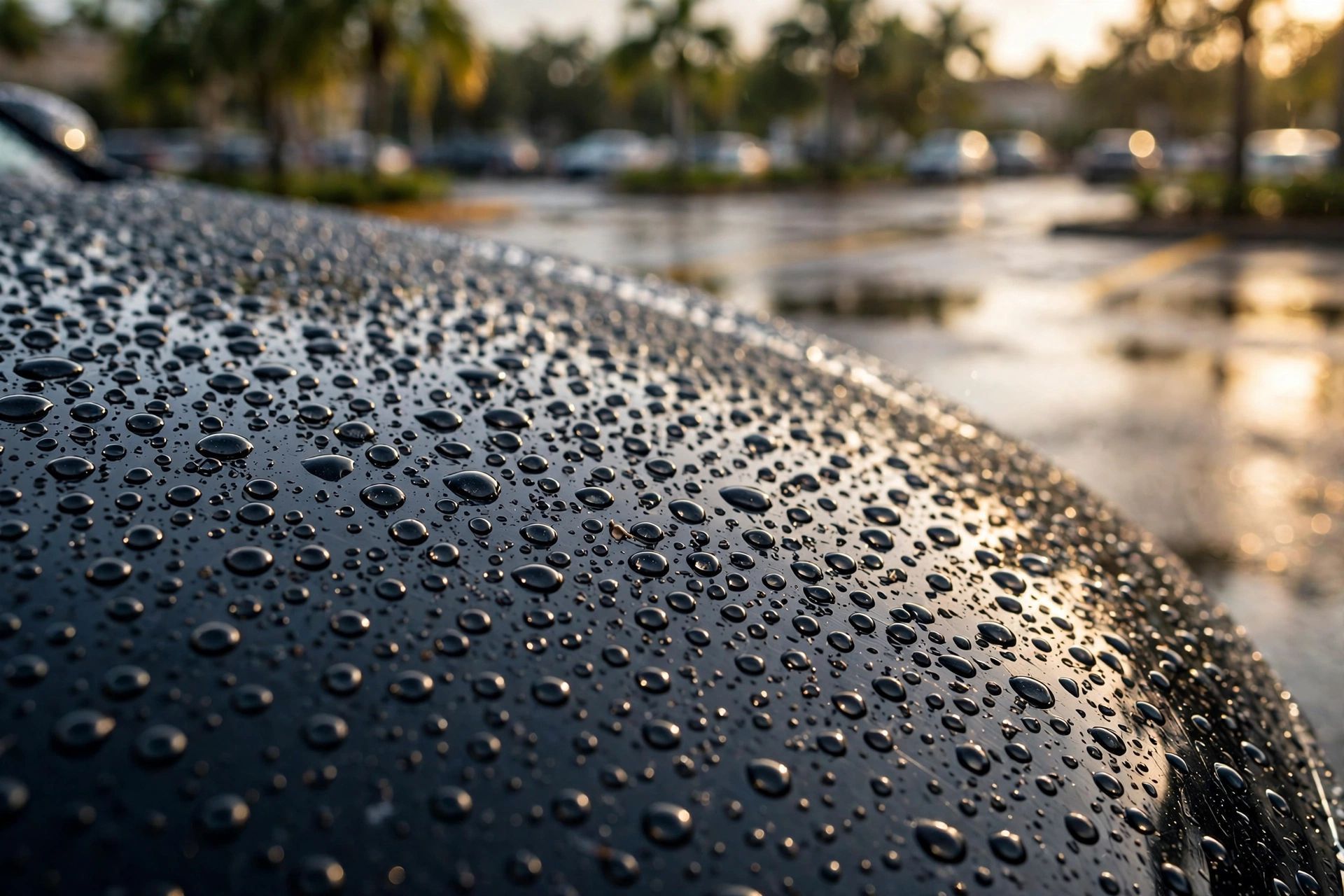
Where a ceramic coating earns its place
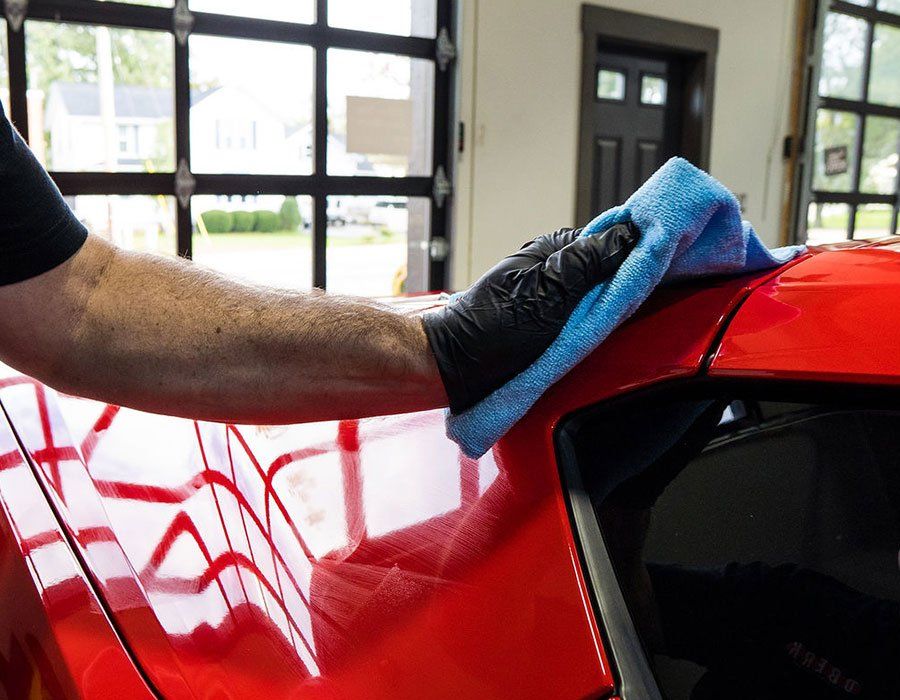
When to choose film first, coating on top, or both
Start with the damage you most want to avoid. Highway debris points toward film; easier cleaning points toward a coating. Your budget then determines how much of the car to cover.- Choose front-end film for chip protection. Put the physical barrier where debris is most likely to strike.
- Combine film and coating for a highway daily driver. Film protects exposed panels while the coating improves cleaning across treated surfaces.
- Choose coating alone for gloss and wash convenience. This can suit a lightly driven car, but low mileage does not eliminate chip risk.
If you can only afford one
For a daily driver exposed to highway debris, we would put film on the front end first. You can add a coating later; a coating cannot substitute for the impact barrier.For a daily driver on I-275 or US-19
Ask for a quote that separates film coverage from coating coverage. “Front end” is not a precise panel list, and a full-front film installation is a different job from a full-body coating.Fix the paint before either product
Neither film nor coating repairs existing paint defects. Have the paint assessed first, then establish which decontamination, correction or chip repair is appropriate. Do not assume preparation is included unless the quote says so.What maintenance does each one need?
Both products still need regular washing. Protection gives you more resistance to contamination, not permission to leave bird droppings or bug residue on the surface.What film needs
Use a gentle washing method, dry promptly and remove contaminants before they sit for long periods. Avoid abrasive pads and follow the care instructions for the installed film, including guidance around edges.What a coating needs
Wash and dry coated paint regularly rather than relying on rain to clean it. Water can bead on a dirty surface and still leave mineral deposits when it evaporates. Near the water in Tarpon Springs, Clearwater and St. Petersburg, rinse off salt residue rather than letting it accumulate. Neither film nor coating eliminates that maintenance.What should you ask any installer before you choose?
Compare scope before price. Each estimate should answer these questions clearly:- What is the exact product name?
- Which panels are covered?
- What decontamination or paint correction is included?
- If both products are quoted, does the coating cover the film?
- What are the written warranty terms and exclusions?
- Who handles the vehicle from drop-off to pickup?
- How would future film removal be handled?
Signs of a sales pitch
Pause if the estimate leaves you unable to tell what you are buying. Warning signs include:- A claim that ceramic coating stops rock chips
- A verbal warranty without written terms
- A price without a panel list or preparation details
Frequently asked questions
Will a ceramic coating stop rock chips?
No. Ceramic coating cannot absorb the force of a stone striking at highway speed. PPF provides an impact barrier, though a severe strike can still damage the film or paint beneath it.Is it good to put ceramic coating over PPF?
Yes, a compatible coating can add water beading and easier cleaning over film. Film retains its impact-protection role underneath. Confirm product compatibility and make sure the quote states which surfaces receive coating.Can PPF be installed over existing rock chips?
Existing chips need assessment before installation because film does not repair or reliably hide them. Ask which repairs or preparation should happen first and what marks will remain visible afterward.How much does PPF cost compared with a ceramic coating?
The comparison depends on coverage, product and paint preparation. A full-front film installation and a full-body ceramic coating cover different work, so their prices alone do not tell you which is better value. Compare itemized estimates for the protection you need.What is the downside of a ceramic coating?
A ceramic coating does not stop rock chips or eliminate washing. It also cannot guarantee freedom from water spots or chemical etching. Bird droppings and coastal salt still need prompt attention.The Auto Film Guys Blog